

| Mindfulness activities are structured ways of bringing deliberate, present-moment attention into everyday life — without requiring a formal meditation session. They work by giving the mind a concrete anchor instead of asking it to simply be quiet. Research shows that informal practice woven into daily activities can produce significant improvements in stress, anxiety, and overall mental health — in some studies, more than formal meditation alone. |
KEY TAKEAWAYS
| What they are | Structured ways to practise present-moment attention during everyday tasks — no dedicated session required |
| Why they work | They give the mind a concrete anchor, making them more accessible than formal meditation for anxious or restless minds |
| Who they’re for | Anyone — beginners, overthinkers, people at work, people who can’t sleep, spiritual seekers, or anyone in between |
| Research backing | Informal daily practice linked to improvements in stress, anxiety, mental health, and long-term wellbeing |
| How to start | Pick one activity from any section. Do it consistently for one week. Build from there |
| How many to try | One. The instinct to collect all 34 is itself overthinking. Start with the one that speaks to you right now |
Most people who say they’ve tried mindfulness and it didn’t work tried one thing: sitting still with their eyes closed, waiting for their mind to go quiet. It didn’t. So they concluded mindfulness wasn’t for them.
That’s not a failure of the person. It’s a mismatch between the tool and the situation. Formal seated meditation is one tool. Mindfulness activities are everything else — and for most people, especially overthinkers, they’re a far more accessible starting point.
This is the complete guide: 34 activities organised by situation, mood, and context. You don’t need to do all of them. You need to find the ones that fit your life as it actually is.
What Makes Something a Mindfulness Activity
Not every calming or enjoyable thing qualifies. The common thread is intentional attention — you choose an anchor and you deliberately return your attention to it when the mind wanders. Without that returning, the activity is just the activity.
This is what mindfulness actually is at its core: not a state of calm, but a practice of attention. Every activity in this guide applies that principle to a different context.
| Mindfulness isn’t about what you’re doing. It’s about the quality of attention you bring to it. |
Mindfulness Activities for Anxiety and Overthinking

These activities are designed to interrupt the rumination loop. Each one uses a different mechanism to pull attention back from the spiral and into the present.
1. The 5-4-3-2-1 Grounding Technique
Name 5 things you can see, 4 you can physically feel, 3 you can hear, 2 you can smell, 1 you can taste. Work slowly through each sense. This engages the sensory cortex and interrupts the default mode network — the brain circuit responsible for rumination. It takes under two minutes and works anywhere.
One of the most reliable tools for anxiety precisely because it doesn’t require stillness.
2. The Mindful Breathing Reset
Three slow, deliberate breaths. Inhale for four counts, exhale for six. The extended exhale activates the parasympathetic nervous system — the physiological off-switch for the stress response. Do this mid-conversation, before an email, or any time anxiety tips into overwhelm.
For a deeper standalone practice, mindful breathing builds this skill over a longer session.
3. Mindful Journaling
Ten minutes of writing with one rule: stay with what’s actually present. Describe what you’re feeling physically, what’s on your mind right now. This externalises the internal loop and creates the cognitive distance needed to observe thoughts rather than be driven by them.
Mindfulness journaling has a present-moment focus that makes it a genuine practice rather than simply venting onto paper.
4. Single-Task Focus
Choose one task. Do only that. When attention drifts, return it. Single-tasking is mindfulness applied to work, and it builds the same attentional muscle as seated meditation. For overthinkers, the constant pull of mental multitasking is one of the primary drivers of cognitive overload.
5. The Worry Window
Designate 15 minutes at a fixed time each day as your worry window. When anxious thoughts arise outside that window, note them and defer: “I’ll think about this at 5pm.” This isn’t suppression — it’s structured containment. It teaches the mind that worrying is optional rather than automatic, and it reduces the sense that anxiety is uncontrollable.
6. Body-Based Check-In
Pause and ask: where am I holding tension right now? Jaw, shoulders, chest, stomach. Don’t try to fix it — just locate it. Naming physical stress responses interrupts the cognitive spiral by redirecting attention to the body, which is always in the present tense. Even 30 seconds of this shifts the nervous system state.
Mindfulness Activities for Everyday Life
These activities require no extra time — they attach to things you already do. The goal is to turn routine moments into practice opportunities.
7. Mindful Eating
One meal per day, eat without screens or other tasks. Notice texture, temperature, and taste. Put the fork down between bites. Most people find the first few attempts surprisingly hard, which signals how rarely they’re present during meals.
8. Mindful Walking
Any walk — to the car, between meetings, to the shop — can become a brief practice. Focus on the physical sensation of each step. When the mind wanders to planning or ruminating, return to the sensation of the next step.
For a more structured version, walking meditation turns this into a formal 10–20 minute practice.
9. Mindful Listening
In your next conversation, commit to listening without planning your response. Notice the urge to interject or redirect. Don’t act on it. This is one of the hardest mindfulness activities for most people — and one of the most useful in daily life.
10. The One-Minute Pause
Before switching tasks, take sixty seconds. Sit still. Feel your breath. Notice what’s in the body. Then move on. This micro-practice interrupts the constant forward momentum that keeps the mind in a state of low-level activation.
11. Mindful Showering
Instead of mentally running through your day in the shower, anchor attention to the physical experience: the temperature of the water, the pressure on your skin, the sound. The shower is one of the few daily moments without a screen — use it as a genuine reset rather than a standing planning session.
12. Mindful Cooking
Chop vegetables slowly. Notice the sound of the knife, the smell of the food, the texture under your hands. Cooking is a natural sensory activity and one of the easiest daily anchors for informal practice. It also has the practical benefit of producing a meal, which gives distracted minds a reason to engage.
Mindfulness Activities for Beginners
If you’re new to mindfulness practice entirely, these four activities offer the lowest barrier to entry. Short, concrete, and forgiving of a wandering mind.
13. Body Scan (5 Minutes)
Lie down or sit comfortably. Slowly move attention through your body from feet to head, noticing sensation without trying to change anything. One of the most well-researched and accessible practices because the body is always present, even when the mind isn’t.
The full guided version is in the body scan meditation guide.
14. Breath Counting
Count each exhale from 1 to 10, then start again. When you lose count, start again from 1 without judgement. Five minutes of this is a complete beginner practice — the same attentional training as formal meditation, stripped of all the additional instruction.
This is the entry point described in the complete mindfulness meditation guide.
15. Mindful Stretching
Five minutes of slow stretching — neck rolls, shoulder drops, a forward fold — with full attention on the physical sensation of each movement. Particularly useful for people who carry stress in the body and find breath-focused practices frustrating.
16. The Loving Kindness Micro-Practice
Two minutes. Silently repeat: “May I be well. May I be at ease.” Direct the same phrases toward one other person. This micro-version of loving kindness meditation is a low-barrier way to build self-compassion without committing to a longer session.
Mindfulness Activities for When You Can’t Sleep

These activities are designed for the mind that won’t stop at night — when the day’s thinking continues long after you’ve gone to bed.
17. The 4-7-8 Breath
Inhale for 4 counts, hold for 7, exhale for 8. The extended hold and exhale activate the vagus nerve and signal the nervous system to downregulate. Three or four cycles is enough to shift the physiological state from alert to calm. Particularly effective when combined with mindfulness sleep techniques as part of a pre-sleep routine.
18. Cognitive Shuffle
As you lie in bed, deliberately picture random, unconnected images in quick succession: a banana, a lighthouse, a red shoe, a dog. The randomness mimics the hypnagogic imagery of natural sleep onset and signals to the brain that the planning mind can stand down. It’s harder to sustain anxious thought patterns when the mind is occupied with vivid nonsense.
19. Progressive Muscle Relaxation
Starting with your feet and working upward, tense each muscle group for five seconds, then release. The contrast between tension and release draws attention into the body and away from cognitive spirals. By the time you reach the shoulders, most people notice significant physical softening.
20. Bedtime Body Scan
A slower, gentler version of the standard body scan — done lying down, with longer pauses in each area. The goal isn’t awareness training; it’s physical settling. Let each body part feel heavy as you move through it. This is one of the most consistently effective practices for sleep-onset anxiety because it gives the restless mind somewhere quiet and specific to go.
Mindfulness Activities for Emotional Regulation
These activities are for moments when emotion is running high — anger, frustration, overwhelm, shame. The goal isn’t to suppress the feeling but to create enough space to respond rather than react.
21. The STOP Practice
Stop what you’re doing. Take a breath. Observe what’s present in the body and mind without judging it. Proceed with awareness. This four-step pause takes under a minute and interrupts the automatic reaction pattern before it runs. It’s the core mechanism behind using mindfulness for anger — not suppression, but a deliberate gap between stimulus and response.
22. Name It to Tame It
Silently label what you’re feeling with specificity: not just “anxious” but “anticipatory dread” or “low-level irritation.” Labelling activates the prefrontal cortex and reduces amygdala reactivity — the mechanism researchers call “affect labelling.” The more precise the label, the more distance you create between yourself and the emotion.
23. Self-Compassion Pause
When caught in shame or self-criticism, place one hand on your chest and say (aloud or silently): “This is a moment of difficulty. Difficulty is part of being human. May I be kind to myself right now.” This three-phrase structure — mindfulness, common humanity, self-kindness — comes directly from Kristin Neff’s self-compassion research and takes under a minute to complete.
This connects to the broader practice covered in how to practise self-compassion.
24. The Physiological Sigh
A double inhale through the nose (short inhale, then a second quick inhale on top), followed by a long slow exhale through the mouth. This reinflates the alveoli in the lungs and produces the fastest known reduction in physiological arousal. Neuroscientist Andrew Huberman has called it the most effective real-time stress reduction tool available. One or two cycles is enough.
Mindfulness Activities for the Workplace
These activities are designed to be invisible to colleagues and require no equipment. They fit into the gaps of a working day without requiring you to close your laptop and sit cross-legged at your desk.
25. The Mindful Transition
Before each new meeting or task, take 60 seconds to close what you were just doing — both the browser tab and mentally. Note one thing you accomplished in the previous session. Take two breaths. Then begin. This creates deliberate boundaries between tasks and reduces the cognitive residue that makes it hard to be fully present in the next thing.
26. Inbox Zero Pause
Before opening email, take three breaths and set an intention: “I’m going to read and respond, not react.” This sounds trivially simple and makes a measurable difference in how you engage with stressful messages. The pause creates a half-second of space that the reactive brain doesn’t naturally provide.
27. The Mindful Commute
If you commute by any means, designate the first ten minutes as a no-phone, no-podcast practice window. If you’re walking or on public transport, use mindful walking or simply observe what’s around you with genuine curiosity. If you’re driving, focus on the physical sensations of driving rather than planning the day.
28. End-of-Day Reflection
Before leaving work, spend three minutes writing three things: what you completed, what’s unfinished and can wait, and one thing that went well. This closes the mental loops that otherwise follow you home and reduces the evening overthinking that makes it hard to decompress.
Mindfulness Activities as Spiritual Practice
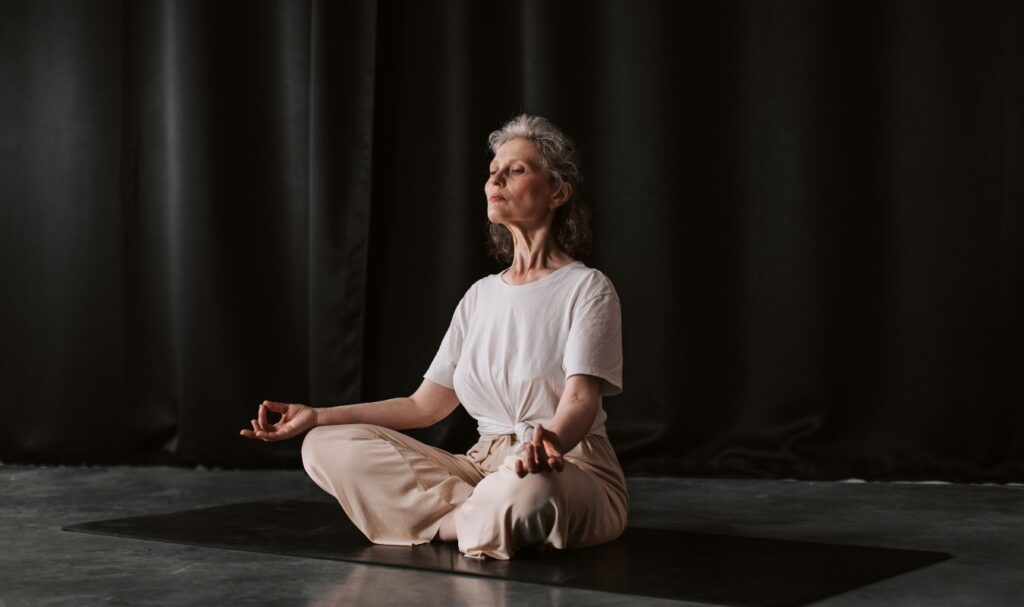
These activities bridge mindfulness into the spiritual dimension — for those whose practice extends beyond stress management into deeper questions of meaning, presence, and connection.
29. Sacred Pause / Presence Practice
Several times throughout the day, pause deliberately and ask: “What is actually happening right now, beneath the noise?” This isn’t a cognitive question — it’s an invitation to drop below the thinking layer into bare awareness. This is the foundation of contemplative traditions across cultures and the core of what spiritual practice points toward in its many forms.
30. Gratitude as Mindfulness
At the end of each day, identify three specific things you genuinely appreciated — not generic (“my health”) but concrete (“the coffee tasted good this morning”, “the conversation with my colleague at 2pm”). Specificity is what makes gratitude practice mindful rather than performative. It requires you to have actually been present to something during the day.
This connects to the deeper practice in the gratitude journaling guide.
31. Energy Awareness Check-In
Once per day, pause and ask: what is the quality of my energy right now? Not your mood or your thoughts — the felt sense of your energetic state. Heavy, scattered, contracted, expansive, grounded, buzzing. This practice develops the interoceptive awareness that underpins energy work and supports the nervous system attunement that makes deeper spiritual practice possible.
Mindfulness Activities for Manifestation
Mindfulness and manifestation are more compatible than they might appear. Effective manifestation practice requires the ability to hold a clear, felt intention without grasping — which is exactly what mindfulness trains. These activities bridge the two.
32. Scripted Visualisation with Sensory Presence
Rather than passively imagining a desired outcome, bring full sensory presence to it: what does it feel like in the body, what do you hear, what are you wearing, what’s the temperature of the air? Sensory specificity activates the same neural networks as actual experience, which is why it’s more effective than abstract wishing. This is the mindfulness layer that makes scripting manifestation work.
33. Mindful Affirmation Practice
Rather than repeating affirmations on autopilot, bring deliberate attention to the felt sense behind each phrase. Pause after each one. Notice what arises — belief, resistance, neutrality, warmth. The mindful version of affirmation practice works with the gap between the phrase and your current experience rather than trying to paper over it.
This addresses directly why affirmations fail for most people — the autopilot repetition without genuine present-moment engagement.
34. Vibrational Check-In and Shift
Before any manifestation practice, check in with your current energetic state and consciously shift it toward what you want to attract. This might mean two minutes of raising your vibration through breath, movement, gratitude, or music — before setting intentions. Manifestation practices are most effective when you’re already in an aligned, present state rather than a contracted or anxious one.
Which Activity Is Right for You Right Now?
Use this table to find the right starting point based on your current situation.
| If you’re… | Start with… |
|---|---|
| Anxious or mid-spiral | #1 (5-4-3-2-1) or #2 (breathing reset) |
| Can’t sleep | #17 (4-7-8 breath) or #20 (bedtime body scan) |
| Frustrated or overwhelmed | #21 (STOP practice) or #22 (name it to tame it) |
| At work and stressed | #25 (mindful transition) or #26 (inbox pause) |
| A complete beginner | #14 (breath counting) or #13 (body scan) |
| Restless or can’t sit still | #8 (mindful walking) or #4 (single-tasking) |
| Short on time | #10 (one-minute pause) or #24 (physiological sigh) |
| Struggling with self-criticism | #16 (loving kindness micro) or #23 (self-compassion pause) |
| Looking for daily habits | #7 (mindful eating) or #11 (mindful showering) |
| Deepening spiritual practice | #29 (sacred pause) or #31 (energy check-in) |
| Working with manifestation | #32 (scripted visualisation) or #34 (vibrational check-in) |
How to Build a Practice From Activities
A 2021 PLOS One study found that informal mindfulness practice was associated with broader and more practically significant improvements — in stress, mental health, and engagement — than formal practice alone. Activities woven into daily life aren’t a warm-up for real meditation. They are the practice, for most people.
A separate study on generalised anxiety disorder found that informal mindfulness practice predicted continued beneficial outcomes at nine-month follow-up — suggesting that daily activities are what sustain gains over the long term.
The practical principle: pick one activity, attach it to something you already do, and do it consistently for one week. That’s enough to begin. Everything else is detailed in the guide to practising mindfulness in daily life.
Frequently Asked Questions
What’s the difference between a mindfulness activity and meditation?
Formal meditation is a dedicated practice where you set aside time specifically to train attention. Mindfulness activities bring the same quality of attention to everyday tasks without requiring a separate time block. Both train the same skills — activities are more integrated into life. What meditation actually is covers the formal side in full.
How long do mindfulness activities take?
Between 30 seconds and 15 minutes, depending on the activity. Several — mindful eating, mindful listening, mindful walking — take no extra time because they attach to things you’re already doing. The time investment is low; consistency is the real commitment.
Can mindfulness activities help with anxiety?
Yes. A comprehensive meta-analysis of 209 mindfulness studies found mindfulness-based approaches were moderately to largely effective for reducing anxiety, depression, and stress. Activities like grounding techniques and the breathing reset work particularly quickly because they interrupt the physiological stress response directly.
Do I need to do these in order?
No. This isn’t a programme — it’s a toolkit. Use the matching table to find the right activity for your current situation. Start there. Add others when and if they feel relevant.
What if an activity doesn’t work for me?
Try a different one. Mindfulness activities are not one-size-fits-all. What works depends on your nervous system, your current state, and what you find it possible to sustain. The only rule is that it involves deliberate attention — not that it looks a particular way.
Are mindfulness activities suitable for people with ADHD?
Yes, and often more so than formal meditation. Movement-based activities — mindful walking, single-tasking, mindful stretching — work particularly well because they give the body somewhere to put its energy while the mind trains attention. The full guide to mindfulness for ADHD covers this in detail.
Start With One
You now have 34 options. The worst thing you can do is try all of them at once.
Pick the one that felt most relevant as you read. The one that made you think “I could actually do that.” Do it tomorrow. Do it the day after. Notice what happens.
Mindfulness doesn’t require a transformation of your lifestyle. It requires a small shift in the quality of attention you bring to the life you already have. One activity, consistently practised, is enough to start that shift.


