
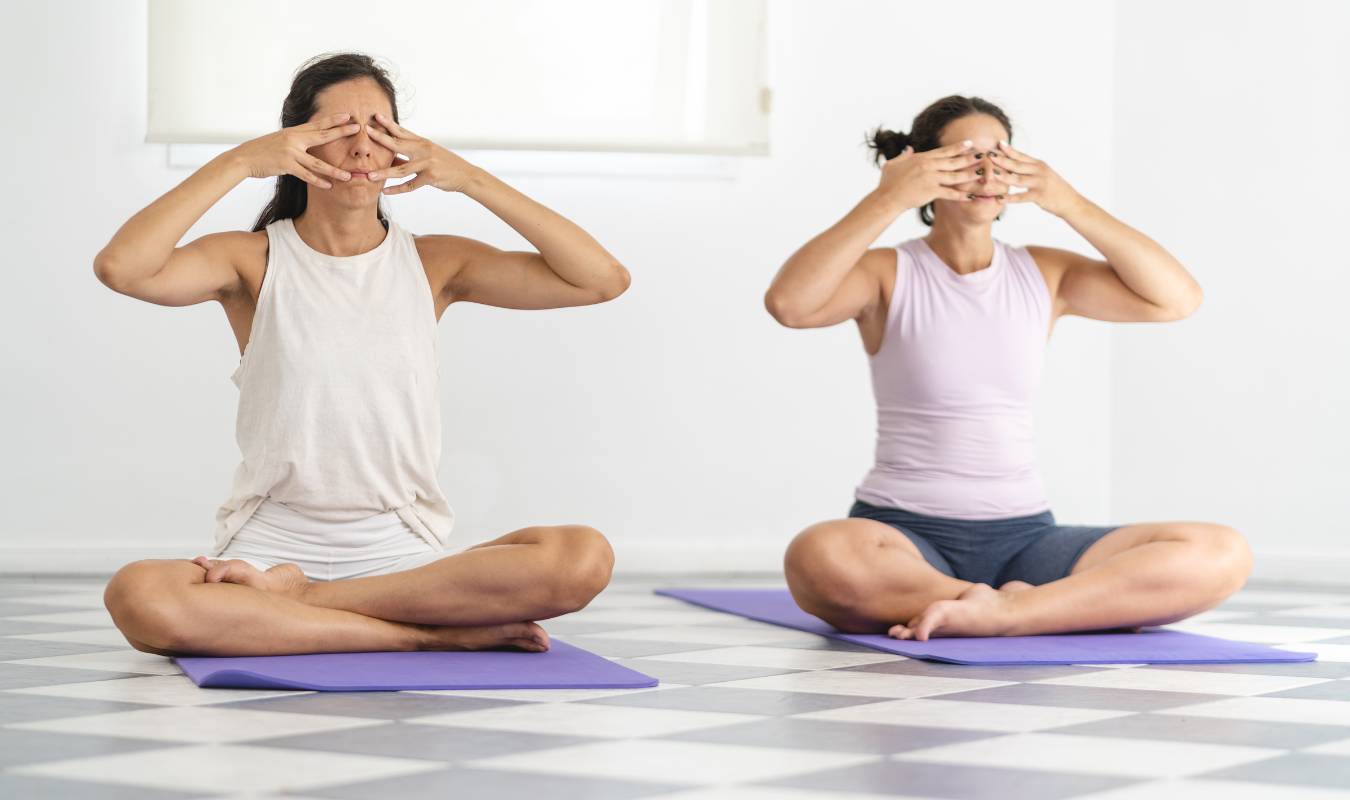
Have you ever longed for a deeper sense of inner peace? That feeling of being disconnected — from yourself, from the world around you — is something many of us know well. When I first started learning about meditation, I struggled too. I knew meditation held something valuable, but I couldn’t seem to find my footing. I tried different approaches, hoping something would click. The problem wasn’t effort. It was that I hadn’t taken the time to understand the basics. Without a grounded foundation in beginner meditation techniques, every session felt like wandering without direction.
Sound familiar? Maybe you’ve sat down to meditate, hoping for stillness, and ended up more frustrated than when you started. If so, you’re in good company. The good news is that there are simple, effective meditation techniques specifically suited for beginners — ones that can help you build a consistent practice and gradually deepen your connection with yourself.
One of the most common mistakes beginners make is diving in without any structure. To help you avoid that, here are seven meditation techniques worth exploring — each one approachable, practical, and well-suited to those just starting out.
Approach your practice with an open mind and a willingness to learn, and these techniques can become a meaningful part of your daily life.
Before choosing a technique, the question of how to sit is worth answering — the meditation positions guide covers every option and is honest about which ones actually work.
7 Powerful Beginner Meditation Techniques
It’s easy to feel overwhelmed by how many meditation styles exist. But here’s the thing: you don’t need to learn them all. Practicing one technique well will take you much further than dabbling in five at once.

1. Mindfulness Meditation
If you’re only going to master one meditation technique, mindfulness meditation is probably the best place to start. It’s simple, accessible, and doesn’t require any special equipment or prior experience. The practice is built around one core idea: bringing your attention fully to the present moment.
Mindfulness is a powerful practice. It helps you step out of the mental loops of rumination and worry. Instead of replaying the past or anticipating the future, you learn to settle into what’s actually happening right now — moment by moment.
To practice, find a quiet spot, close your eyes, and turn your attention to the physical sensations in your body. Notice the feeling of your breath as it moves in and out through your nose. When thoughts arise — and they will — simply observe them without judgment and let them pass. Mindfulness isn’t about clearing your mind entirely. It’s more like sitting on a park bench and watching clouds drift by: you notice them, but you don’t chase them.
2. Guided Visualization
If you have a vivid imagination, guided visualization might be your ideal starting point. This technique uses mental imagery to guide you into a calm, focused state — picture yourself in a serene place, engaging all your senses, and allowing the mind to settle naturally. Sessions can be led by a teacher in person or through free recordings on platforms like YouTube.
To begin, find somewhere comfortable and free from distractions. Close your eyes, take a few slow, deep breaths, and let your body relax. Then imagine yourself in a peaceful setting — a quiet forest, a sunlit beach, wherever feels right. Try to engage all your senses: what do you see, hear, smell? The richer the detail, the more immersive the experience.
With so many free guided meditations available online, it’s easy to explore different styles and voices until you find what resonates. Many beginners find guided visualization a gentle and enjoyable entry point into regular meditation.
3. Loving-Kindness Meditation
Modern life has a way of making us feel isolated or at odds with the people around us. Loving-kindness meditation works as a quiet antidote to that. The practice involves consciously cultivating feelings of warmth and goodwill — first toward yourself, then toward loved ones, and eventually toward strangers or even people you find difficult.
Over time, this kind of intentional practice can soften habitual patterns of frustration or judgment, replacing them with more empathy and openness. It’s also a meaningful way to strengthen your relationships and shift how you relate to yourself day to day. For beginners looking for a meditation technique that feels emotionally grounding, loving-kindness is worth exploring.
4. Mantra Meditation
Mantra meditation uses the repetition of a word, sound, or phrase as a focal point. The rhythmic quality of a mantra gives the mind something steady to return to, making it easier to move past the constant flow of everyday thoughts.
Interestingly, the best mantras tend to be words or sounds without a strong personal meaning — this prevents the mind from attaching to concepts and helps you settle into a quieter state. A simple starting point is the sound “om.” Sit comfortably, close your eyes, and begin repeating it either silently or aloud. Let the vibration of the sound spread through your body. If your mind drifts, just bring your attention back to the mantra, without frustration.
Many people find mantra meditation deeply calming, and with regular practice, it can lead to a lasting sense of stillness and clarity.
5. Body Scan Meditation
We spend much of our lives living from the neck up — caught in thought, out of touch with what the body is actually experiencing. Body scan meditation brings awareness back to the physical, helping you tune into sensations you might otherwise miss.
You can practice lying down or sitting, whatever feels most comfortable. Close your eyes, take a few deep breaths, and then slowly move your attention through the body — starting at the feet and working upward. Notice whatever arises: warmth, tension, tingling, ease. As you reach each area, consciously allow it to soften and relax. Approach each sensation with curiosity rather than judgment.
Body scan meditation is particularly useful for stress relief. By developing a more attuned relationship with your body, you become better at noticing when you’re holding tension and responding before it builds.
6. Walking Meditation
Most meditation techniques involve sitting still. Walking meditation offers a different approach — one that integrates mindfulness directly into movement and daily activity. It’s a particularly good option for people who find seated stillness challenging.
While a peaceful outdoor path makes for an ideal setting, you can practice almost anywhere. Begin by standing still for a moment. Take a few slow breaths, feel your feet on the ground, and then start walking at a relaxed, unhurried pace. With each step, pay attention to the physical sensations — the contact between your feet and the earth, the movement of your arms, the sounds or sights around you. When your mind wanders, gently return to the sensations of walking.
Whether it’s a short walk in your garden or a mindful route to the shops, the purpose is the same: to find presence in the ordinary rhythm of movement.
7. Breath Awareness Meditation
Breath awareness meditation is beautifully simple. The breath is always available — it’s the most natural anchor you have — and learning to rest your attention on it is one of the most effective ways to develop calm and focus.
Sit comfortably, close your eyes, and begin to observe your breath without trying to control it. Notice the rise and fall of the chest, the coolness of the air on the inhale, the warmth on the exhale. When thoughts appear and pull at your attention — as they inevitably will — simply acknowledge them and return to the breath. No frustration needed. The returning itself is the practice.
With time, this simple technique can bring real clarity. Each breath becomes a reminder to let go of what’s already passed and to meet the present moment as it is.
A note on all of these techniques: none of them are about achieving perfection or forcing your mind into silence. They’re invitations to slow down, pay attention, and develop a more compassionate relationship with your inner world.
Conclusion
You’ve now been introduced to seven meditation techniques that are well-suited for beginners. Each one is different, and the best choice is simply the one that feels most natural to you.
The key is consistency. If you’re just starting out, even five minutes a day can make a real difference. Start small, stay patient, and let your practice grow at its own pace. Try a few of these techniques and notice which one draws you back most easily — that’s usually a good sign you’ve found your fit.
Approach the practice with openness rather than expectation, and over time, these beginner meditation techniques can become a genuine source of calm and clarity in your daily life.
Happy meditating.


